3
6
Other
The Cognitive Cost of Constant Connectivity: how tech is rewiring our attention
We live in a world where attention has turned into currency. Every ping, buzz, and scroll fights for it, and most of us do not even notice how often we lose. This is not just a story about screens; it is about how technology is quietly reshaping the way our minds think, feel, and focus.
Umama AliJan 21, 2026

Our Brains Were Not Designed for Infinite Tabs
Understanding the Cognitive Shift in the Digital Age
The human brain was built to focus on one thing at a time. But in today’s world, we are expected to switch between messages, meetings, and media within seconds. This constant mental jumping is changing how our brains function.
Psychologists call this attentional fragmentation — the breakdown of sustained focus into quick, reactive bursts. Studies show that frequent context switching drains working memory and increases mental fatigue (APA, 2024).
The irony? The very tech designed to make us efficient is slowly weakening the focus we need to use it well.
Lessons from the Psychology of Productivity
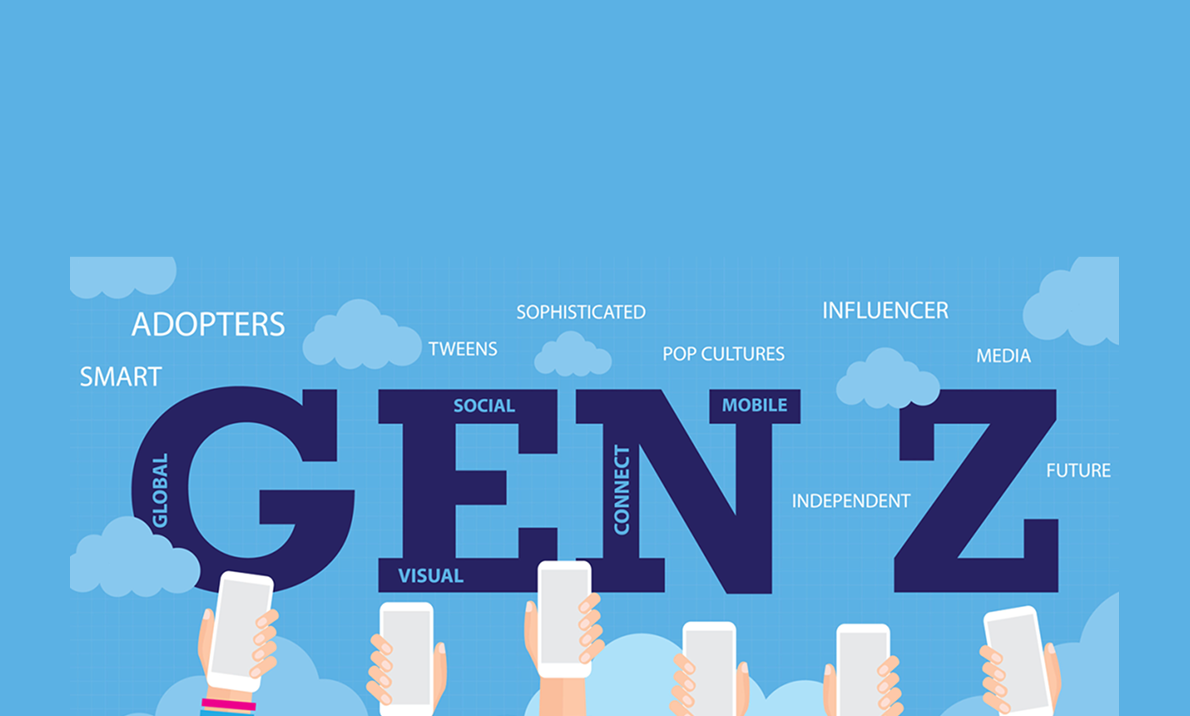
Gen Z is not lazy or distracted,they are cognitively adaptive. They understand that constant busyness is not the same as progress.
Research in cognitive psychology shows that the brain works best when energy and attention are directed toward meaningful tasks rather than repetitive ones (APA, 2023). Gen Z intuitively follows this principle. They use AI to remove friction, reduce decision fatigue, and design environments that match how they naturally think fast, flexible, and fluid.
For them, tools like ChatGPT, Notion AI, and Figma AI are not shortcuts. They are collaborators.
The Dopamine Loop: Why We Keep Checking
Every time we unlock our phones or refresh a feed, our brain releases a small hit of dopamine, the chemical behind motivation and reward. That hit keeps us hooked. We check, we feel rewarded, and we go back for more.
Platforms are designed to feed this cycle. The endless scroll, bright red icons, and unpredictable updates keep our brains chasing novelty. But what we actually feel is not satisfaction, it is anticipation.
Over time, this habit reshapes our emotional rhythm. We begin mistaking boredom for discomfort, grabbing our phones to fill even the smallest pause. According to Harvard Medical School, this constant stimulation contributes to higher levels of anxiety, restlessness, and mental fatigue (Harvard Health, 2023).
The Threat of Distraction
Core Principles of Minimalist UX and UI
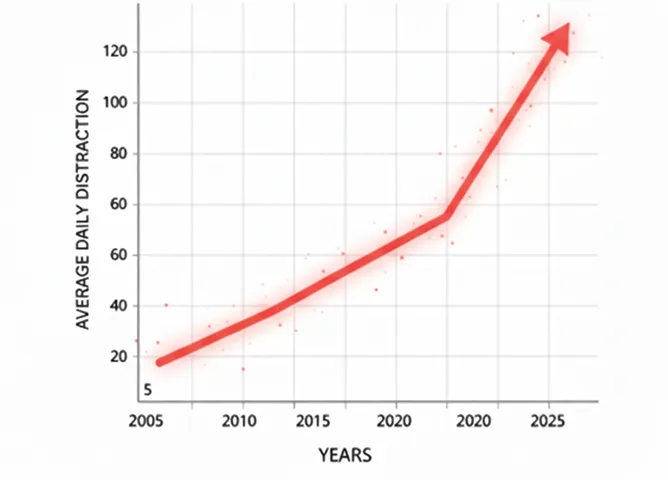
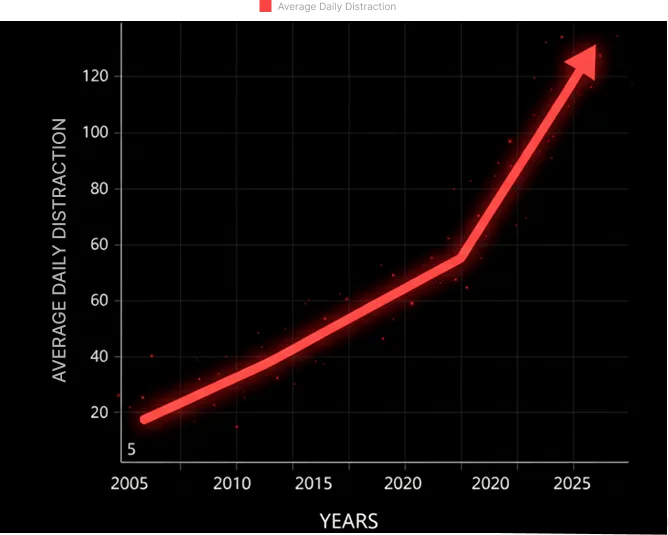
We often celebrate multitasking as a mark of productivity, juggling emails, calls, and spreadsheets at once. But neuroscience says otherwise. The brain does not multitask; it rapidly switches between tasks. And each switch costs energy, accuracy, and time (Stanford University, 2023).
When you keep bouncing between tabs or apps, your brain has to reorient itself over and over again. That constant reset leads to mental exhaustion, what psychologists describe as cognitive fatigue.
For Gen Z and Millennials, who have spent most of their lives in digital spaces, this can turn into attention residue, leftover mental clutter from unfinished online interactions.
Cognitive Overload and Emotional Burnout
The overload is not just cognitive; it is emotional. Constant notifications leave little space to pause or process. The brain, overstimulated by inputs, struggles to rest or reach deep focus.
This always-on state triggers subtle stress responses, more cortisol, more adrenaline, slowly pushing us toward burnout. Not from overwork alone, but from overconnection. Research from Nature Human Behaviour found that heavy smartphone users experience higher anxiety, mood swings, and lower mindfulness levels (Nature, 2024).
The Erosion of Attention Span
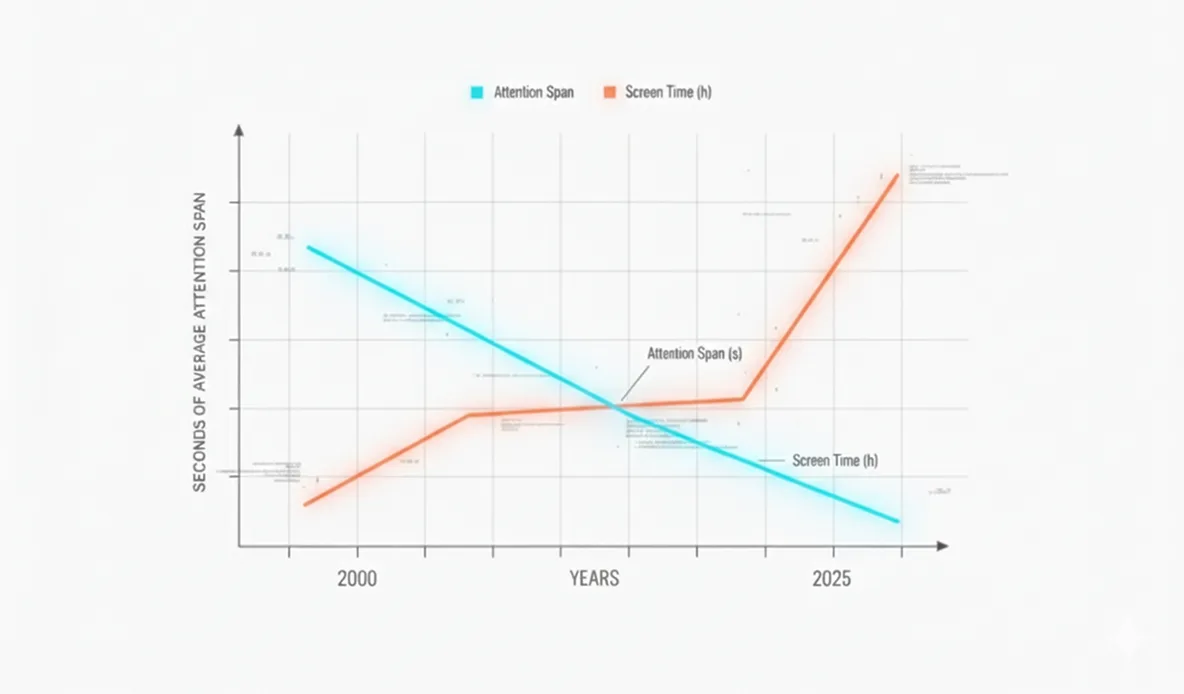
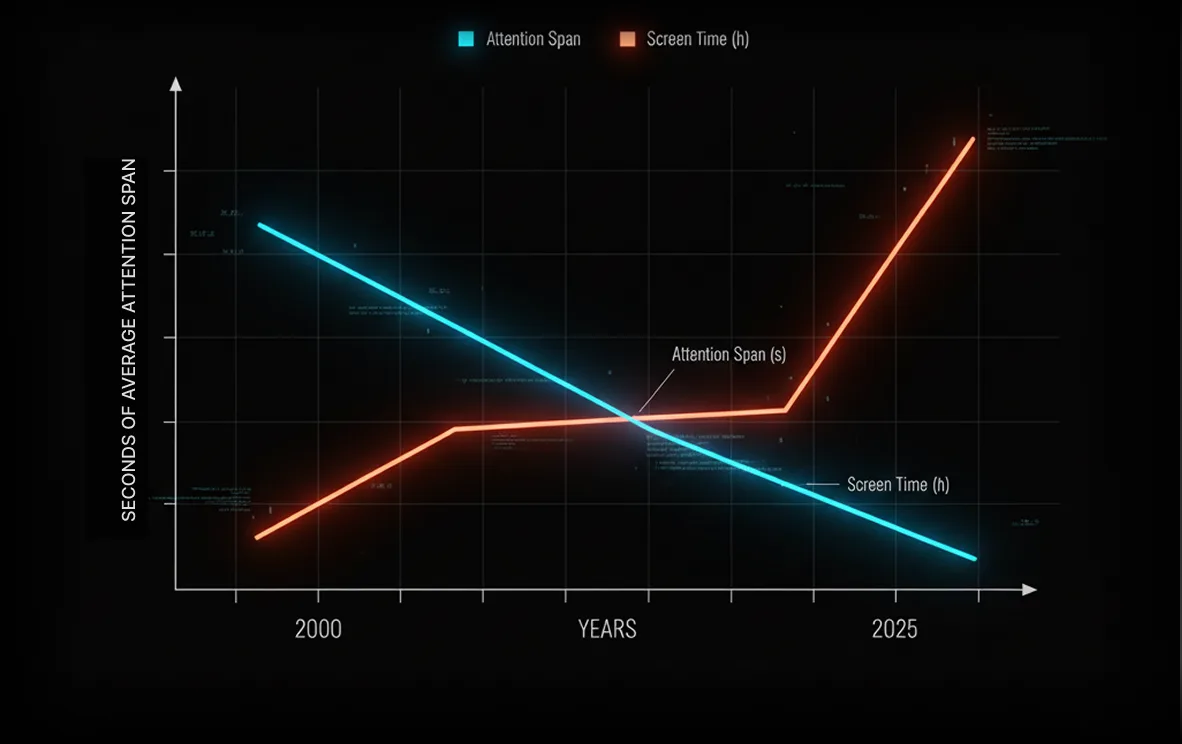
Reclaiming Focus in the Digital Era
The more connected we stay, the less grounded we feel.If constant connectivity is rewiring the brain, awareness is our first defense. Understanding how we react to digital cues helps us build better habits and boundaries.
Here are a few research backed ways to restore attention:
- Single Tasking as a Skill: Focus on one task for 25–40 minutes before switching. It strengthens deep attention.
- Digital Boundaries: Turn off unnecessary alerts and set specific “check-in” times instead of reacting all day.
- Mindful Pauses: Short breaks, a walk, breathing, or simply looking away from a screen, help reset the brain.
- Sleep Before Scroll: Scrolling before bed disrupts REM sleep and memory. Keep devices away at least half an hour before sleeping.
- Intentional Design Use: Curate your digital tools. Choose what supports your goals instead of letting apps dictate them.
The Psychology of Attention: A Balanced View
Technology is not the villain. The problem lies in using it unconsciously. When used intentionally, digital tools can amplify creativity, learning, and collaboration. The goal is not to disconnect, it is to engage with awareness.
Attention is limited. Protecting it is not just discipline; it is self-preservation. In a world where distraction is profitable, staying focused has become an act of quiet resistance.
Conclusion
Constant connectivity has made us more informed but less present. It blurs the line between being online and truly living. But understanding the psychology behind our habits gives us a chance to take control, to reclaim the most valuable thing we have: attention.
As someone who studies both technology and human behavior, I believe the next wave of innovation will not just be faster or smarter, it will be more human. The future of focus depends on how well we learn to live with the tools we have created.